© By Gabriel Pollard (Own work) [CC-BY-SA-2.5 (http://creativecommons.org/licenses/by-sa/2.5)], via Wikimedia Commons
-
-
Do you know what the men in the picture below are doing? If you look closely you can see they're carrying lanterns.They are the Yeoman of the Guard - the bodyguards of the British monarch - and they're about to conduct a search of the cellars of the Houses of Parliament before the official State Opening by the Queen.
 The Yeomen of the Guard in the Lords chamber with their lamps before heading down to check the cellars of the Palace of Westminster© Parliamentary copyright images are reproduced with the permission of Parliament
What are they searching for? Well, these days it's just a traditional part of the ceremony, but when it began in the 17th century, it had a very serious purpose.
They were checking for gunpowder - and all because of a group of men including Guy Fawkes. You may have heard of him.
Guy Fawkes was part of a group of men who wanted to blow up the Houses of Parliament in London but he was caught red-handed with the explosives. All this happened in 1605, more than 400 years ago, and nowadays we call it the story of the Gunpowder Plot.Here's Guy Fawkes (real name: Guido Fawkes) second from the right. This is a famous picture called The Gunpowder Plot Conspirators. It was made by Heinrich Ulrich in the early 17th Century. You can find out more about it with the National Portrait Gallery. © National Portrait Gallery
Guy Fawkes wasn't even the ringleader, but has become the one we remember most.
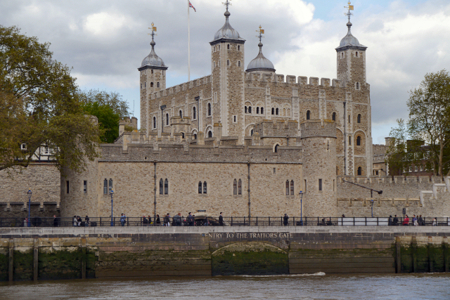
After Guy Fawkes was captured he was imprisoned in the Tower of London where he was questioned about the plot.
This is his signature before and after questioning - what do you think happened to him from the way his signature changed?Many people think he was tortured during his questioning and that's why his handwriting changed so much. © National Achives
Guy Fawkes and many of his fellow plotters were brutally executed.
Here's the picture in the National Portrait Gallery of his execution:This is a picture called The Execution of Guy Fawkes, (Guy Fawkes), by Claes Jansz Visscher. You can see it at the National Portrait Gallery. This type of picture is called an 'etching,' and this one was made in 1606. © National Portrait Gallery
Find out more about the fascinating and gruesome story behind Bonfire Night on the Parliamentary Archives' Gunpowder Plot website. There's also a video in two parts telling the story of the Gunpowder Plot through the eyes of a fictional servant.If this story has sparked your interest and you want to do an investigation of your own into the Gunpowder Plot you can explore lots of other documents from the time on the National Archives website.you want to have a look through more documents from the time have a look at this resource from the National Archives, theres lots of tasks and questionsHave fun on Bonfire Night but be safe and let the adults look after the fireworks.
Thanks to the Parliamentary Archives, the National Portrait Gallery and The National Archives for their help with this story.
-